
Imam Husayn's Arrival in Karbala Marked the Beginning of Breaking the Dominance of Umayyad Darkness
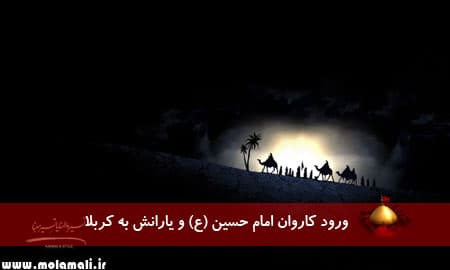
In a note, al-Naba al-Azim examined the distinguishing features of the land of Karbala and the dimensions and consequences of Imam Husayn's arrival there.
Karbala, the Place of Nearness for All of God's Chosen Saints
Karbala is the most renowned land in history, because it is a sacred valley that elevated those specially chosen by God. It is the blessed land through which the great figures of human history and the elect of the Creator passed, weeping for the one who would dwell there and showing solidarity with Imam Husayn, peace be upon him, in their journey of nearness to their Lord. It is the land whose events Gabriel recounted to Adam; the account of the thirst of the people of Karbala made Adam weep and became a bridge toward his perfection. It is the event over which Abraham, the Friend of God, wept; the killing of the son of the final Prophet was more painful to him than sacrificing his own son, and Karbala raised Abraham to a higher station, for because of his weeping over Aba Abdillah, God addressed him with: "And We ransomed him with a tremendous sacrifice." (1) Karbala is the soil through which Amir al-Mu'minin, peace be upon him, passed and wept over the slain of the event of al-Taff. It is the place where the Messenger of God promised his grandson, Sayyid al-Shuhada, martyrdom. Karbala is the land whose tragedy weighed heavily upon the beings of the heavens and the earth, upon jinn and angels, and they weep for the Blood of God that was shed there.
Karbala Is a Land as Vast as History
Karbala is not merely one land among other lands. Karbala is a land as vast as history: a history that began with Adam's weeping, continued with the solidarity of the prophets, and will continue until the cry for vengeance by Baqiyyat Allah, may God hasten his relief. Karbala has a breadth equal to the whole world to which God has granted existence, because no one can be without a stance toward Karbala. Those who have accepted the guardianship of God must be Karbala-oriented; that is why the angels weep for Imam Husayn, peace be upon him, and the resolute prophets wept for Sayyid al-Shuhada when passing through Karbala. Karbala is a light that has shone throughout existence, and whoever clings to this light has found the direction of ascent, perfection, and nearness to God, because the light of Karbala shatters the darkness of idolatry, disbelief, and tyranny, and illuminates the path for the worshippers of God.
Karbala, the Light That Broke the Darkness of the Umayyads
Yes, the Samiris of this community made idols from their devils, idols that, like the calf of the Samiri in the time of Aaron, blocked the path of guidance for some people. But this time the Samiris' calf had created a hard darkness, a darkness that the Qur'an describes in this way: "Or like darkness in a deep sea, covered by waves upon waves, above which are clouds: layers of darkness, one above another. When he puts out his hand, he can hardly see it; and whoever God does not appoint a light for has no light." (2) Imam al-Sadiq, peace be upon him, explained this verse by saying: "'Or like darkness' refers to the first one and his companion; 'covered by waves' is the third over them; 'darkness' is the second wave; 'layers one above another' is Mu'awiyah, may God curse him, and the trials of Banu Umayyah; 'when he puts out his hand, he can hardly see it' is the state of the believer in the darkness of the Umayyad trial; 'whoever God does not appoint a light for' means he has no Imam from the children of Fatimah, peace be upon her; 'has no light' means that on the Day of Resurrection he has no Imam. Regarding the saying of God, 'their light hastens before them and on their right,' he said: on the Day of Resurrection, the Imams of the believers will hasten before and on the right of the believers until they bring them into the stations of the people of Paradise." (3) The dominance of Umayyad darkness was so intense that even those who wished to take the path of guidance lacked the ability to do so. Karbala was the light that broke the darkness of Banu Umayyah and made the path of guidance clear. Karbala means the historical victory of divine light over the darkness of the Umayyads.
Sayyid al-Shuhada Entered Karbala to Revive the Forgotten Good, While the Umayyad Enemy Came to Keep Evil Alive Forever
Karbala is the place of Aba Abdillah's victory and triumph, not the place where he was caught unaware. Imam Husayn's arrival in Karbala, though accompanied by immense grief and sorrow, was an aware arrival, with an awareness as wide as all of history. Aba Abdillah, peace be upon him, entered Karbala to revive the good that had been forgotten, while his Umayyad enemy came to Karbala to keep evil alive forever. The Umayyads knew very well that killing Aba Abdillah would carry a heavy price for them. Yet in order to prevent the revival of the good and to expand their own darkness until even Sayyid al-Shuhada would pledge allegiance to the tyrant, they resorted to every act: from cutting off water from Aba Abdillah, peace be upon him, to martyring his six-month-old infant. But throughout all these stages, Aba Abdillah, peace be upon him, resisted disbelief and rebellion. Thirst overcame him and his nursing child was martyred, yet he never agreed to accept the guardianship of the tyrant of his age. One must not overlook Imam Husayn's awareness of the events that were to occur in Karbala. When Imam Husayn entered the land of Karbala, he said: "Dismount. By God, here is the place where our mounts will settle and our blood will be shed. By God, here is the place of our graves. By God, here is the place where our women will be taken captive. My grandfather informed me of this." (4) Sayyid al-Shuhada, peace be upon him, knew Karbala and knew well the location of his grave and the graves of his companions, and he explicitly stated that his grandfather, the Messenger of God, peace and blessings be upon him and his family, had informed him. Karbala is the battle between the good and the evil, and Imam Husayn, peace be upon him, went with his household and companions to welcome martyrdom because the good had been turned into evil. It was an evil that Banu Umayyah had established in place of the good. Imam al-Sadiq, peace be upon him, said: "The good is that which is known among the people of the heavens, and it is Amir al-Mu'minin Ali, peace be upon him." He was asked, "Then what is the evil?" The Imam said: "The two who wronged him, seized his authority through deceit, and placed people upon his shoulder." (5) Therefore, Imam Husayn's arrival in Karbala was the beginning of breaking the dominance of the darkness of Banu Umayyah. Banu Umayyah received such a heavy blow from the camp of truth that, more than a thousand years after Ashura, Karbala still shines and radiates light. The Umayyads and their successors remain helpless before Karbala, and neither the destruction of the graves of the infallible Imams, peace be upon them, nor the killing and genocide of the Shi'a has diminished Karbala's radiance in the least.
Notes
1- Uyun Akhbar al-Rida, vol. 1, p. 209
2- al-Nur: 40
3- Usul al-Kafi, Persian translation by Mustafawi, vol. 1, p. 279
4- al-Luhuf, Persian translation by Mir Abu Talibi, p. 122
5- "The good, O Abu Hanifah, is the good among the people of the heavens and the good among the people of the earth, and that is Amir al-Mu'minin Ali ibn Abi Talib, peace be upon him." He said: "May I be your ransom, then what is the evil?" He said: "The two who wronged him in his right, seized his authority, and carried people upon his shoulder." Bihar al-Anwar, Beirut edition, vol. 24, p. 58
Author: Hamed Sarem
Comments
No comments yet.