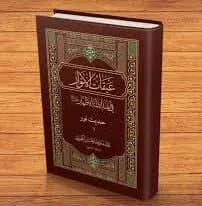
Mir Hamid Husayn’s Masterpiece in Establishing the Mass Transmission of the Hadith al-Thaqalayn: A Biographical Evaluation of the Narrators’ Generations
Author: Hamed Sarem
From the Claim of “Solitary Report” to the Proof of “Definitive Tawātur”: A Scholarly Impasse in Weakening the Narrations on the Authority of the Ahl al-Bayt (a)
How does reducing a mutawātir hadith to a “solitary report” lead to a devastating methodological contradiction? Through a critical rereading of the views of Shāh ʿAbd al-ʿAzīz Dihlawī and by relying on the cogent arguments of ʿAllāmah Mīr Ḥāmid Ḥusayn in the noble book ʿAbaqāt al-Anwār, this article examines the network of transmitters of the Hadith of al-Thaqalayn and demonstrates that disregarding the tawātur of this strategic text entails the collapse of the credibility of the most important Sunni hadith collections.
Abstract:
The “Hadith of al-Thaqalayn,” as one of the foundational texts establishing the scholarly and guiding authority of the Ahl al-Bayt (peace be upon them), has consistently drawn the attention of hadith scholars and theologians. Nevertheless, certain critics, such as Shāh ʿAbd al-ʿAzīz Dihlawī, have adopted an approach of “isnād reductionism,” seeking to reduce this mutawātir hadith to a “solitary report” by overlooking the multiplicity of its transmission routes. Drawing upon the methodology of ʿAllāmah Mīr Ḥāmid Ḥusayn in the noble book ʿAbaqāt al-Anwār, the present study critiques Dihlawī’s approach and undertakes a rijāl-based examination of this hadith’s network of transmitters. The findings show that the transmission of the Hadith of al-Thaqalayn by 187 eminent Sunni hadith scholars across 13 centuries establishes its definitive tawātur. Moreover, a rijāl evaluation of key transmitters from the second century—such as al-Aʿmash, Saʿīd ibn Masrūq, and ʿAbd al-Malik al-ʿArzamī—on the basis of Sunni rijāl principles demonstrates that Dihlawī’s weakening of these narrations results in a “fundamental methodological contradiction”; for impugning these transmitters would entail the collapse of the credibility of the most important Sunni hadith collections (the Ṣiḥāḥ and Musnads). By employing the principle of ilzām, ʿAllāmah Mīr Ḥāmid Ḥusayn has shown that accepting the tawātur and implication of the Hadith of al-Thaqalayn is the sole logical and scholarly conclusion when confronting this robust hadith structure.
Keywords: Hadith of al-Thaqalayn, ʿAbaqāt al-Anwār, ʿAllāmah Mīr Ḥāmid Ḥusayn, Shāh ʿAbd al-ʿAzīz Dihlawī, tawātur, the science of rijāl, isnād reductionism.
Introduction: The Confrontation between Methodical Criticism and Isnād Reductionism in Hadith Studies
In the field of Islamic hadith studies, the “Hadith al-Thaqalayn,” owing to its explicit indication of the authority and leadership of the Ahl al-Bayt (peace be upon them), has always been a focal point of attention and analysis for scholars of various schools. Yet an examination of the approach of certain critics, including Shah Abd al-Aziz al-Dihlawi, in confronting this text shows that his method of authentication was inconsistent with the standard rules of hadith scholarship and more closely resembled a purposeful truncation of narrational texts. One of al-Dihlawi’s most conspicuous methodological challenges in weakening the implication of this hadith is the strategy of “concealing tawatur” and manipulating its chain of transmission: by disregarding the multiplicity of its routes, he reduced a narration transmitted by more than 20 Companions to a “khabar al-wahid” (a solitary report), restricted to the transmission of Zayd ibn Arqam.
دهلوی ملعون حتی به پیروان مذهب باطل خودش هم خیانت کرده و با این خیانت وضعیت وخیمتر شده و آخرین میخ رو بر تابوت پیکر بیجان و جسد متعفن مذهب خلاف زده.
رضوان خدا بر علامه میرحامد حسین موسوی نیشابوری هندی و خاندان فرزانه ایشان (اعلی الله تعالی مقاماتهم)
حسن متین ارفعفارسی
بسیار ممنون ، بابت مطالب پر محتوا
حسن متین ارفعفارسی
بسیار ممنون ، بابت مطالب پر محتوا
حسین نمازیفارسی
واقعا که رحمت خدا بر علامه میر حامد حسین و کتاب ارزشمندش و حضرتعالی که بهترین نحو مطلب رو برای ما شرح میفرمایید.
حاج آقافارسی
بسیار عالی و باتشکرداز سایت خوب شما
This approach, grounded in atomistic scrutiny of chains and the selective weakening of individual transmitters, constitutes an attempt to portray a mutawatir hadith—certain in provenance—as unstable. Such unwarranted reductionism carries no weight on the scale of scholarly criticism and conflicts with accepted principles of rijal criticism. Given the foundational importance of chain reliability in establishing theological propositions, the present study seeks to remedy this scholarly deficiency by drawing on the structural critiques of Allamah Mir Hamid Husayn in his book, Abqat al-Anwar. The principal aim of this research is a detailed examination of the network of chains in authoritative Islamic sources and a decisive demonstration of the “tawatur of the Hadith al-Thaqalayn,” thereby exposing the lack of scholarly support for al-Dihlawi’s reductionism.
In contrast to this unscientific approach, Allamah Mir Hamid Husayn, in his unparalleled masterpiece, Abqat al-Anwar, presented an interwoven and irrefutable network of mutawatir chains, drawing upon his extraordinary command of the Sunni hadith and biographical-critical heritage. By mapping a robust rijal-based architecture, he shows that this edifice rests on pillars whose soundness and reliability have been affirmed even by the most exacting Sunni rijal critics, thereby blocking every avenue for objection, concealment, and the casting of doubts concerning the chains.
Quantitative Analysis: The Architecture of the Tawatur of the Hadith al-Thaqalayn across 13 Centuries
One of the remarkable features and methodological innovations of Allamah Mir Hamid Husayn in Abqat al-Anwar is his extraction and mapping of the powerful current through which this hadith was transmitted over the course of history. Based on his meticulous induction and investigation, the names of 187 eminent Sunni scholars and hadith transmitters have been identified; they preserved and recorded the chain of transmission of the Hadith al-Thaqalayn, generation after generation, over 13 centuries. This immense volume of transmission not only establishes the hadith’s tawatur at the highest logical and hadith-critical level, but also decisively refutes the baseless claims of interruption, weakness, or its being a “khabar al-wahid.” In the face of such documented tawatur, any attempt to cast doubt merely reveals the scholarly impasse of the opponents.
Table and chart of the frequency distribution of transmitters of the Hadith al-Thaqalayn over 13 centuries
| Hijri Century | Frequency Chart of the Hadith’s Transmitters | Analysis of the Historical and Narrational Situation |
| :---: | :--- | :--- |
| 2nd century | ████████ | The period of initial consolidation and compilation; the broad presence of transmitters in the first generation and the Ṣiḥāḥ. |
| 3rd century | █████████████ | The golden age of compiling hadith collections; the peak of its unparalleled presence in the Musnads and the Six Ṣiḥāḥ. |
| 4th century | ███████████ | The expansion and consolidation of transmission in hadith collections, muʿjams, and specialized books. |
| 5th and 6th centuries | ████████ | Its continued presence in hadith and historical works, as well as theological polemical writings. |
| 7th to 10th centuries | █████████ | The further spread of transmission in Qur’anic exegeses, hadith commentaries, and works on virtues. |
| 11th to 13th centuries | ██████ | The uninterrupted continuation of tawātur until the author’s time, refuting the hypothesis of oblivion or interruption. |
|Total | A total of 187 distinguished narrators | Establishing definitive tawātur and conclusively refuting the objection that the hadith is a «solitary report». |
This chart clearly attests that the golden chain of transmission of the Hadith of al-Thaqalayn has never, at any period of Islamic history, suffered interruption, stagnation, or weakness. The continuity of this transmission network over thirteen centuries proves that reducing this mutawātir hadith to a solitary report is not an inadvertent error; rather, it is a futile attempt to cover the sun with a sieve.
Note: The detailed list and full names of these 187 hadith scholars and narrators will be included in the article’s appendix in order to establish the scholarly proof conclusively.
3. Qualitative Analysis: Isnād-Tree and Biographical Evaluation of Prominent Examples
To demonstrate the fragility and lack of credibility of Dihlawī’s claims, it is not possible in this brief study to examine each of the 187 transmission routes individually. Rather, evaluating only some routes documented in the most authoritative Sunni hadith compilations suffices to make the methodological collapse of his approach plainly evident.
Some Narrators of the Second Century
1. The Narration of Saʿīd ibn Masrūq al-Thawrī
Text of the narration:
Muslim records in his Sahih (vol. 2, p. 238):
“Muhammad ibn Bakkār ibn al-Rayān narrated to us; Hassān—that is, Ibn Ibrāhīm—narrated to us, from Sa‘īd, who was Ibn Masrūq, from Yazīd ibn Hayyān, from Zayd ibn Arqam. He said: We entered upon him and said to him: You have indeed seen goodness; you kept the company of the Messenger of Allah, may Allah bless him and his family, and prayed behind him... Lo, I am leaving among you the two weighty things: one of them is the Book of Allah; it is the rope of Allah. Whoever follows it is upon guidance, and whoever abandons it is in error...”
And in it: We said: Who are the members of his household? Are they his wives? He replied: No, by Allah. A woman may remain with a man for a period of time, then he divorces her and she returns to her father and her people. The members of his household are his origin and his agnatic relatives (‘asabah), upon whom the acceptance of charity was prohibited after him.”
Translation of the narration:
“...Zayd ibn Arqam reports that the Prophet (PBUH) said: Be aware that I am leaving among you two precious treasures (al-Thaqalayn); one of them is the Book of God, which is the divine rope. Whoever follows it is guided, and whoever abandons it will be in misguidance...”
We asked Zayd ibn Arqam: Who are the members of his household? Are they his wives? He answered: No, by God. A woman lives with a man for a time, then he divorces her and she returns to her father and her people. The members of his household are his lineage and his agnatic relatives (‘asabah), for whom receiving charity was made forbidden after him.”
Summary of the assessment of Sa'id ibn Masruq:
Based on the documentation presented in the book ‘Abaqat al-Anwar, he is definitively and unanimously regarded as trustworthy among the leading authorities of Sunni rijal scholarship: Sa'id ibn Masruq al-Thawri (the father of Sufyan al-Thawri, who died between 126 and 128 AH). Al-Dhahabi explicitly considers him “trustworthy” (thiqa). Ibn Hajar al-'Asqalani, in addition to personally declaring him trustworthy, reports the explicit attestations of Yahya ibn Ma'in, Shu'bah ibn al-Hajjaj, Abu Hatim al-Razi, al-'Ijli, and al-Nasa'i that he was “trustworthy,” and notes that Ibn Hibban included his name in the book al-Thiqat. Moreover, his narrations were accepted and transmitted by al-Bukhari and Muslim (the two Shaykhs).
In view of the unanimous authentication of Sa'id ibn Masruq by the foremost Sunni rijal authorities and the inclusion of his narration in Sahih Muslim
, this narrator’s chain to the Hadith of al-Thaqalayn is, from the standpoint of transmission, entirely sound and beyond challenge.
2—The narration of Rukayn ibn al-Rabi' al-Fazari
Text of the narration
Ahmad ibn Hanbal relates in his Musnad (vol. 5, pp. 181–182):
“Al-Aswad ibn ‘Amir narrated to us; Sharik narrated to us, from al-Rukayn, from al-Qasim ibn Hassan, from Zayd ibn Thabit, who said: The Messenger of Allah (peace and blessings be upon him) said: ‘Indeed, I am leaving among you two successors: the Book of Allah, a rope extended between heaven and earth—or between heaven down to earth—and my progeny, the members of my household. They shall never part from one another until they come to me at the Pond.’”
Translation of the narration:
“...Zayd ibn Thabit relates that the Messenger of Allah (peace be upon him) said: ‘Indeed, I leave among you two successors (caliphs): the Book of Allah, which is a rope stretched between heaven and earth, and my progeny, who are the members of my household. These two shall never be separated from one another until they come to me at the Pond [of Kawthar].’”
Scholarly summary of the rijāl assessment of Rukayn ibn al-Rabi‘:
Based on authoritative Sunni rijāl sources, the reliability of “Rukayn ibn al-Rabi‘ al-Fazari” (d. 131 AH) has been fully established. Leading rijāl authorities—including Ahmad ibn Hanbal, Yahya ibn Ma‘in, and al-Nasa’i—explicitly deemed him “thiqah” (trustworthy). Abu Hatim described him as “salih,” and Ibn Hibban included his name in the book al-Thiqat. Ibn Hajar al-‘Asqalani likewise identified him in Taqrib al-Tahdhib as reliable (“thiqah min al-rabi‘ah”).
In view of the explicit authentication of this narrator by the foremost Sunni rijāl authorities, his presence in the chain of Musnad Ahmad demonstrates the complete validity and indisputable soundness of this route of transmission.
3. ‘Abd al-Malik ibn Abi Sulayman al-‘Arzami
Text and Chain of Transmission of the Narration:
Ahmad ibn Hanbal transmitted this hadith in his Musnad (vol. 3, p. 26) through him:
Chain of transmission: Ibn Numayr — ‘Abd al-Malik ibn Abi Sulayman — ‘Atiyyah — Abu Sa‘id al-Khudri.
Text: The Prophet (PBUH) said: “Indeed, I have left among you the two weighty things, one of which is greater than the other: the Book of Allah, Mighty and Majestic, a rope extended from heaven to earth; and my progeny, the people of my household. Lo, they shall never separate until they return to me at the Pond.” (Indeed, I have left among you two precious treasures, one greater than the other: the Book of God ... and my progeny, the people of my household ...).
Rijāl Analysis and Establishing Trustworthiness:
An examination of primary Sunni biographical-rijāl sources shows that the trustworthiness of “‘Abd al-Malik ibn Abi Sulayman al-‘Arzami” (d. 145 AH) is agreed upon by the overwhelming majority of Sunni hadith scholars and rijāl authorities. His scholarly standing is such that the attestations to his reliability rise beyond the level of “thiqah” (trustworthy) to the highest ranks of precision in retention:
The epithet “al-Mīzān”: Leading scholars such as Sufyan al-Thawri and ‘Abd Allah ibn al-Mubarak bestowed upon him the epithet “al-Mīzān” (“the balance,” a measure of evaluation and precision), describing his exactitude and scholarly firmness.
The explicit authentication of the pillars of hadith criticism—Ahmad ibn Hanbal, Yahya ibn Ma'in, al-Nasa'i, Ibn 'Ammar al-Mawsili, and al-'Ijli—is unequivocal: all of them firmly described him as “thiqa” (trustworthy), “thiqa hujja” (a trustworthy authoritative proof), and “thabt fi al-hadith” (firmly established in hadith).
Testimony to the breadth of his memorization: al-Dhahabi, in Tadhkirat al-Huffaz (vol. 1, p. 155), calls him “al-hafiz al-kabir” (the great hadith master). 'Abd al-Rahman ibn Mahdi relates that “despite Shu'ba’s lofty standing, he was astonished by 'Abd al-Malik’s power of memorization.”
Refutation of doubts: Ibn Hajar al-'Asqalani and Ibn Hibban likewise counted him among the righteous men and hadith masters of Kufa. The only very minor reservation, raised by Shu'ba concerning his solitary transmission of one particular hadith—the hadith of pre-emption (hadith al-shuf'a)—was rejected by other hadith critics, such as al-Tirmidhi, who regarded him as “thiqa ma'mun” (trustworthy and reliable). It in no way impairs his definitive reliability or his lofty status in transmitting other reports.
Conclusion of this section:
The presence of transmitters possessing this level of credibility—trustworthy, reliable, and great hadith masters—in the chains of transmission of the Hadith of al-Thaqalayn once again subjects Shah 'Abd al-'Aziz al-Dihlawi’s reductionist claims, namely the weakening of its chains or its reduction to weak solitary reports, to a serious scholarly challenge and a methodological impasse.
4. Sulayman ibn Mihran al-Kahili (al-A'mash)
Text and chain of transmission of the narration:
Text: The Prophet (PBUH) said: «إنّی تارک فیکم ما إن تمسکتم به لن تضلوا بعدی، أحدهما أعظم من الآخر: کتاب اللّه حبل ممدود من السماء إلی الأرض، وعترتی أهل بیتی، ولن یتفرقا حتی یردا علی الحوض، فانظروا کیف تخلفونی فیهما». (Indeed, I leave among you that to which, if you hold fast, you will never go astray after me. One of the two is greater than the other: the Book of God, a rope extended from heaven to earth, and my progeny, the people of my Household. These two shall never separate until they come to me at the Pond; so consider how you treat them after me.)
Rijāl Analysis and Establishment of Reliability:
Sulaymān ibn Mihrān, known as «al-Aʿmash» (d. 148 AH), was one of the unrivalled pillars of hadith in the second century and among the principal foundations of the Six Books (especially al-Bukhārī and Muslim). An examination of his standing in Sunni biographical-evaluation works forecloses every avenue for casting doubt upon him:
Consensus on his reliability: The leading scholars of rijāl, such as Yaḥyā ibn Maʿīn, Aḥmad ibn Ḥanbal, Abū Ḥātim al-Rāzī, and al-Nasāʾī, unanimously affirm his reliability, eminent rank, and trustworthiness.
Exalted rijāl appellations: Al-Dhahabī, in Siyar Aʿlām al-Nubalāʾ (vol. 6, p. 226), praises him with highly elevated titles such as «الإمام، شیخ الإسلام، شیخ المقرئین والمحدثین». Ibn Ḥajar al-ʿAsqalānī, in Taqrīb al-Tahdhīb, describes him as «ثقة حافظ عارف بالقراءات».
Centrality in chains of transmission: Sufyān ibn ʿUyaynah said of him: «اعمش بیشترین قرائتکننده قرآن، آشناترین به فرایض و راویترین مردم نسبت به حدیث بود.» (“Al-Aʿmash was the one who recited the Qur’an most, was most knowledgeable of the laws of inheritance, and was the greatest transmitter of hadith among the people.”) His presence in a chain of transmission alone suffices, in the view of Sunni hadith scholars, to establish the اعتبار of a narration.
He was among the greatest and most renowned hadith scholars of Kūfah and among the principal transmitters of the Hadith of al-Thaqalayn in Sunan al-Tirmidhī (vol. 2, p. 220), where he transmitted this hadith through two chains. His lofty standing in rijāl scholarship is as follows:
1. Unparalleled rijālī epithets: al-Dhahabī calls him “al-ḥāfiẓ al-thiqah Shaykh al-Islām” in Tadhkirat al-Ḥuffāẓ; Yaḥyā al-Qaṭṭān describes him as “the authority of Islam”; and Abū Bakr ibn ʿAyyāsh bestowed upon him the title “the chain of the hadith scholars.”
2. Abundance of narrations and reliability: he transmitted approximately 1,300 hadiths. Ibn Ḥajar al-ʿAsqalānī, citing al-Nasāʾī, describes him as “thiqah thabt.”
3. Acknowledgment by Indian scholars: Shaykh ʿAbd al-Ḥaqq al-Dihlawī writes of him: “kāna sayyid al-muḥaddithīn... thiqah thabt.”
Conclusion and Critique of al-Dihlawī’s Premise:
The presence of a figure such as al-Aʿmash, with two distinct chains for transmitting the Hadith al-Thaqalayn—one through ʿAṭiyyah and the other through Ḥabīb ibn Abī Thābit—demonstrates the fame and broad circulation of this doctrinal text within the scholarly circles of the second century. Here, the “destructive paradox” of Shāh ʿAbd al-ʿAzīz al-Dihlawī’s approach once again becomes apparent: if a critic seeks to reject a hadith transmitted so explicitly through al-Aʿmash—Shaykh al-Islām and a pillar of the Six Books—on the pretext that it is khabar al-wāḥid or that its chain is weak, he has in fact demolished the authority of al-Bukhārī and Muslim in their entirety, as well as the foundations of the science of rijāl in his own school. This strategy of ʿAllāmah Mīr Ḥāmid Ḥusayn, in highlighting the names of such transmitters, places al-Dihlawī in a complete scholarly impasse.
5. Muḥammad ibn Isḥāq ibn Yasār al-Madanī: Examining His Status and Refuting Doubts
He is among the eminent ḥadīth preservers who not only transmitted the Hadith al-Thaqalayn but also personally affirmed its authenticity. It is reported in Lisān al-ʿArab (vol. 4, p. 538) that, after narrating the hadith, he explicitly declares: “hādhā ḥadīth ṣaḥīḥ.” An examination of his reliability shows:
1. Refuting the criticisms: The criticisms directed at him by figures such as Mālik ibn Anas, as explicitly stated in works such as Ibn Ḥibbān’s al-Thiqāt, stemmed from personal disagreements rather than hadith-related issues; moreover, Mālik ultimately reconciled with him.
2. The title “Commander of the Faithful in Hadith”: Shuʿbah and Sufyān al-Thawrī called him “Amīr al-Muʾminīn fī al-Ḥadīth,” while Yaḥyā ibn Maʿīn described him as “thabt fī al-ḥadīth.”
3. The consensus of hadith scholars: According to Abū Zurʿah al-Dimashqī, the leading Sunni scholars—such as Sufyān al-Thawrī, Ḥammād, Shuʿbah, and Ibn al-Mubārak—were unanimous in transmitting hadith from him.
6. Isrāʾīl ibn Yūnus al-Subayʿī
The presence of this transmitter is among the golden links of the chain of transmission, and his reliability is established by the following points:
1. A transmitter in the Ṣaḥīḥayn: As al-Dhahabī and al-Maqdisī explicitly state, al-Bukhārī and Muslim relied on his hadiths. Al-Dhahabī writes explicitly: “لا عبرة بقول من لينه فقد احتج به الشيخان”.
2. Memory and reliability: Aḥmad ibn Ḥanbal regarded him as “thiqah” and was astonished by the strength of his memory.
3. Superiority over others: Eminent scholars such as Yaḥyā al-Qaṭṭān and Aḥmad ibn Ḥanbal regarded him as more reliable (“athbat”) in transmitting ḥadīth from Sharīk and Abū Bakr ibn ʿAyyāsh.
7. ʿAbd al-Raḥmān ibn ʿAbd Allāh al-Masʿūdī
He is among the eminent Kūfan transmitters in the chains of transmission of the Ḥadīth of al-Thaqalayn. According to al-Dhahabī’s report in Tadhkirat al-Ḥuffāẓ (vol. 1, p. 197), the pillars of Sunni rijāl scholarship—namely Aḥmad ibn Ḥanbal, Yaḥyā ibn Maʿīn, and ʿAlī ibn al-Madīnī—were all unanimous concerning his reliability.
Theological and Historical Analysis: Firm Tawātur Across Time
From a historical and theological perspective, the uninterrupted transmission of a single report over 13 centuries by 187 scholarly pillars demonstrates its foundational and established standing in the historical memory of the Islamic world. The Ḥadīth of al-Thaqalayn is not merely an unspoken historical report; rather, it is a theological text that forms the foundation of scholarly and guiding authority after the Noble Prophet (PBUH). Seeking to reduce such a ḥadīth to a “solitary report” ignores the self-evident facts of the history of ḥadīth issuance and denies its recurrent presence in the most important Muslim ḥadīth collections. Indeed, the presence of key second-century AH transmitters in this ḥadīth’s chains shows that this text had taken broad root and gained acceptance in the scholarly circles of Medina and Kufa before the compilation of the Ṣiḥāḥ and Musnads.
Methodological Critique in Ḥadīth Studies: Dehlawī’s Destructive Paradox
When the chains of transmission of the Ḥadīth of al-Thaqalayn are assessed through rijāl criticism and dirāyah, Shāh ʿAbd al-ʿAzīz Dehlawī’s approach is nothing but an “evasion of scholarly confrontation” and a fall into a “destructive paradox.” When a ḥadīth’s chains terminate in eminent figures such as “al-Aʿmash” (Shaykh al-Islām), “Ibn Isḥāq” (a verifier of ḥadīth), and transmitters praised by Sunni rijāl authorities such as Aḥmad ibn Ḥanbal, Ibn Maʿīn, al-Dhahabī, and Ibn Ḥajar with titles including “Mīzān,” “Imām,” and “Sanad al-Muḥaddithīn,” declaring it weak constitutes a clear departure from the self-evident rules of ḥadīth studies.
“In order to undermine the tawātur (mass transmission) of this hadith, Dihlawī has been compelled to weaken narrators who themselves are among the foundational hadith authorities of Ahl al-Sunnah and principal transmitters in sources such as Ṣaḥīḥ al-Bukhārī, Ṣaḥīḥ Muslim, and Musnad Aḥmad. Deliberately overlooking this vast and reliable body of chains of transmission, rather than constituting scholarly criticism, suffers from a kind of ‘fundamental methodological contradiction’; for casting doubt upon the reliability of these eminent narrators does not merely entail rejecting one particular hadith, but inevitably results in the collapse of the credibility of his own most important hadith sources. From the standpoint of scholarly verification, such unsupported claims, when confronted with a network of trustworthy narrators this robust, possess no rijāl-based value or اعتبار.”
The Strategy of “Compelling Commitment” in the Method of ʿAllāmah Mīr Ḥāmid Ḥusayn: Moving Beyond Minimal Defense
From the perspective of critical methodology, one might raise the following question: “When a hadith has attained the level of tawātur, what need is there for meticulous rijāl-based discussion of each individual narrator?”
The answer lies in the intelligent method of ʿAllāmah Mīr Ḥāmid Ḥusayn in ʿAbaqāt al-Anwār. He moved beyond the stage of “minimal defense” and established a flawless scholarly-offensive structure comprising the following elements:
An aim beyond mere proof: The ʿAllāmah’s objective was not simply to establish that the hadith had been transmitted from its source; rather, it was to “demolish the basis of Dihlawī’s disparagement” and demonstrate his lack of scholarly competence in this critique.
The strategy of logical compulsion: By precisely establishing the reliability of all 187 narrators on the basis of the most authoritative Sunni rijāl works, the ʿAllāmah places Dihlawī in a complete and binding impasse. The message of this strategy is clear: “If these narrators are not trustworthy, then you must regard all Sunni musnads and ṣiḥāḥ collections as devoid of authority; and if they are trustworthy, then there is no course but to accept decisively the Hadith of al-Thaqalayn.”
Comprehensiveness and the closing of avenues for doubt: By examining every narrator individually, the ʿAllāmah demonstrated that the critic’s approach lacked scholarly support and arose from obstinacy. This clarification has brought forth from behind the clouds of doubt the truth that shines in the sky of Islamic history through the brilliance of 187 trustworthy narrators, and has blocked every path for future attempts to cast suspicion.
Conclusion
A comprehensive and analytical examination of the network of transmitters of the Hadith al-Thaqalayn delivers a decisive refutation of reductionist and atomistic claims in the field of hadith studies. Shah Abd al-Aziz Dihlawi’s approach of reducing this mutawatir text to a single “khabar al-wahid” is not a methodical scholarly critique, but rather a glaring methodological error that stands in clear contradiction to the self-evident facts of the history of the hadith’s transmission and the foundations of the science of rijal.
Drawing upon the unparalleled masterpiece of Allamah Mir Hamid Husayn in Abaqat al-Anwar, the present study has shown that the transmission of the Hadith al-Thaqalayn was preserved and safeguarded over thirteen centuries by an interconnected network comprising 187 scholarly pillars. The presence of transmitters who themselves constitute principal authorities for the most reliable Sunni hadith sources forecloses every avenue for questioning its chain of transmission.
Allamah Mir Hamid Husayn’s intelligent and forceful strategy, grounded in the principle of “ilzam” (binding an opponent by his own premises), has placed the critics in a devastating impasse and paradox: either they must concede the credibility and reliability of these transmitters—whose unavoidable consequence is accepting the tawatur and definitively established issuance of the Hadith al-Thaqalayn—or, in order to reject this hadith, they must wield the pen of disparagement against these pillars of hadith, the direct consequence of which would be the complete collapse of the authority of their own major sectarian sources. Ultimately, the rijal-based framework delineated in Abaqat al-Anwar demonstrates that the Hadith al-Thaqalayn is a firm, mutawatir, and unassailable text, shining like the sun in Islam’s intellectual firmament; documentary reductionism has no scholarly power whatsoever to conceal this historical and theological truth.
Appendix: Names of the Transmitters of the Hadith al-Thaqalayn from the Second to the Thirteenth Century
Names of the Transmitters and Source-Compilers of the Hadith al-Thaqalayn
The Second Century
1. Saʿīd ibn Masrūq al-Thawrī, year 126.
2. Rukayn ibn al-Rabīʿ ibn ʿUmaylah al-Fazārī, Abū al-Rabīʿ al-Kūfī, year 131.
3. Abū Ḥayyān Yaḥyā ibn Saʿīd ibn Ḥayyān al-Taymī al-Kūfī, year 145.
4. ʿAbd al-Malik ibn Abī Sulaymān Maysarah al-ʿArzamī, year 145.
5. Sulaymān ibn Mihrān al-Asadī al-Kāhilī, known as al-Aʿmash, year 147.
6. Muḥammad ibn Isḥāq ibn Yasār al-Madanī, year 151.
7. Isrāʾīl ibn Yūnus al-Sabīʿī, Abū Yūsuf al-Kūfī, year 160.
8. ʿAbd al-Raḥmān ibn ʿAbd Allāh ibn ʿUtbah ibn Masʿūd al-Kūfī al-Masʿūdī, year 160 AH.
9. Muḥammad ibn Ṭalḥah ibn Muṣarrif al-Yāmī al-Kūfī, year 167 AH.
10. Abū ʿAwānah Waḍḍāḥ ibn ʿAbd Allāh al-Yashkurī al-Wāsiṭī al-Bazzāz, year 175 AH.
11. Sharīk ibn ʿAbd Allāh al-Qāḍī, year 177 AH.
12. Ḥassān ibn Ibrāhīm ibn ʿAbd Allāh al-Kirmānī, year 176 AH.
13. Jarīr ibn ʿAbd al-Ḥamīd ibn Qurṭ al-Ḍabbī al-Kūfī, year 188 AH.
14. Abū Bishr Ismāʿīl ibn Ibrāhīm ibn Miqsam al-Asadī al-Baṣrī, known as Ibn ʿUlayyah, year 193 AH.
15—Abū ʿAbd al-Raḥmān Muḥammad ibn Fuḍayl ibn Ghazwān al-Ṣabī al-Kūfī, year 194.
16—ʿAbd Allāh ibn Numayr al-Hamadhānī, year 199.
The Third Century
17—Muḥammad ibn ʿAbd Allāh Abū Aḥmad al-Zubayrī al-Ḥabbāl, year 203.
18—Abū ʿĀmir ʿAbd al-Malik ibn ʿAmr al-ʿAqdī, year 204.
19—al-Aswad ibn ʿĀmir ibn Shādhān al-Shāmī, year 208.
20—Yaḥyā ibn Ḥammād ibn Abī Ziyād al-Shaybānī, year 215.
21. Abū Jaʿfar Muḥammad ibn Ḥabīb al-Hāshimī al-Baghdādī, in the year 225.
22. Abū ʿAbd Allāh Muḥammad ibn Saʿd al-Zuhrī al-Baṣrī, in the year 230.
23. Abū Muḥammad Khalaf ibn Sālim al-Makhramī al-Muhallabī, their client, al-Sindī, in the year 231.
24. Zuhayr ibn Ḥarb ibn Shaddād, Abū Khaythamah al-Nasāʾī, in the year 234.
25. Abū al-Faḍl Shujāʿ ibn Makhlad al-Fallās al-Baghawī, in the year 235.
26. Abū Bakr ʿAbd Allāh ibn Muḥammad, known as Ibn Abī Shaybah, in the year 235.
27. Muḥammad ibn Bakkār ibn al-Rayyān al-Hāshimī, in the year 238.
28. Abu Ya‘qub Ishaq ibn Ibrahim ibn Makhlad ibn Ibrahim ibn Matar
al-Hanzali, known as Ibn Rahawayh, in the year 238.
29. Abu Muhammad Wahban ibn Baqiyyah ibn ‘Uthman al-Wasiti, in the year 239.
30. Ahmad ibn Muhammad ibn Hanbal al-Shaybani, in the year 241.
31. Nasr ibn ‘Abd al-Rahman ibn Bakkar al-Naji al-Kufi al-Washsha’, in the year 248.
32. Abu Muhammad ‘Abd ibn Humayd al-Kassi, in the year 249.
33. ‘Abbad ibn Ya‘qub al-Rawajani al-Asadi, in the year 250.
34. Nasr ibn Ali ibn Nasr ibn Ali al-Jahdami, in the year 250.
35. Muhammad ibn al-Muthanna Abu Musa al-Anazi, in the year 252.
36. Abu Muhammad Abd Allah ibn Abd al-Rahman ibn Bahram al-Darimi al-Samarqandi, in the year 255.
37. Ali ibn al-Mundhir al-Tariqi al-Kufi, in the year 256.
38. Muslim ibn al-Hajjaj al-Qushayri al-Nishapuri, in the year 261.
39. Abu Abd Allah Muhammad ibn Yazid ibn Majah al-Qazwini, in the year 273.
40. Abu Dawud Sulayman ibn al-Ash'ath al-Sijistani, in the year 275.
41. Abu Qilabah Abd al-Malik ibn Muhammad al-Raqashi al-Basri, year 276.
42. Abu Bakr Muhammad ibn Ahmad ibn Abi al-Awwam ibn Yazid ibn Dinar al-Riyahi al-Tamimi, year 276.
43. Abu Isa Muhammad ibn Isa ibn Sawrah al-Tirmidhi, year 279.
44. Abu Bakr Abd Allah ibn Muhammad ibn Ubayd ibn Sufyan ibn Qays al-Umawi al-Baghdadi, known as Ibn Abi al-Dunya, year 281.
45. Abu Abd Allah Muhammad ibn Ali al-Hakim al-Tirmidhi, year 285.
46. Abu Bakr Ahmad ibn Amr ibn Abi Asim al-Nabil, known as Ibn Abi Asim al-Shaybani, year 287.
47. Abu Abd al-Rahman Abd Allah ibn Ahmad ibn Hanbal al-Shaybani, year 290.
48. Abu al-Abbas Ahmad ibn Yahya al-Shaybani al-Baghdadi, known as Tha'lab, died in the year 291.
49. Abu Bakr Ahmad ibn Umar ibn Abd al-Khaliq al-Bazzar, died in the year 292.
50. Abu Nasr Ahmad ibn Sahl, the jurist known as al-Qabbani, died in the year 292.
The Fourth Century
51. Abu Abd al-Rahman Ahmad ibn Shu'ayb ibn Ali al-Nasa'i, died in the year 303.
52. Abu Ya'la Ahmad ibn Ali ibn al-Muthanna ibn Yahya al-Tamimi al-Mawsili, died in the year 307.
53. Abu Ja'far Muhammad ibn Jarir al-Tabari, died in the year 310.
54. Abu Bishr Muhammad ibn Ahmad al-Dulabi, year 310 AH.
55. Abu Bakr Muhammad ibn Ishaq ibn Khuzaymah al-Naysaburi, year 311 AH.
56. Abu Bakr Muhammad ibn Muhammad ibn Sulayman ibn al-Harith al-Baghandi al-Wasiti al-Baghdadi, year 312 AH.
57. Abu Awanah Yaqub ibn Ishaq ibn Ibrahim ibn Zayd al-Naysaburi, then al-Isfarayini, year 316 AH.
58. Abu al-Qasim Abd Allah ibn Muhammad ibn Abd al-Aziz al-Baghawi, year 317 AH.
59. Abu Umar Ahmad ibn Muhammad ibn Abd Rabbih al-Qurtubi, year 328 AH.
60. Abu Bakr Muhammad ibn al-Qasim ibn Muhammad ibn Bashshar, known as Ibn al-Anbari, year 328 AH.
61. Abu Abd Allah Husayn ibn Isma'il ibn Muhammad al-Dabbi al-Mahamili, year 330.
62. Abu al-Abbas Ahmad ibn Muhammad ibn Sa'id, known as Ibn Uqdah, year 332.
63. Abu Muhammad Da'laj ibn Ahmad ibn Da'laj al-Sijzi al-Mu'addil, year 351.
64. Abu Bakr Muhammad ibn Umar ibn Muslim al-Tamimi, known as Ibn al-Ja'abi, year 355.
65. Abu al-Qasim Sulayman ibn Ahmad al-Tabarani, year 360.
66. Abu Bakr Ahmad ibn Ja'far ibn Hamdan ibn Malik ibn Shabib al-Qati'i, year 368.
67. Abu Mansur Muhammad ibn Ahmad ibn Talhah al-Azhari, the lexicographer, year 370.
68. Abu al-Husayn Muhammad ibn al-Muzaffar ibn Musa ibn Isa al-Baghdadi, year 379.
69. Abu al-Hasan Ali ibn Umar ibn Ahmad al-Daraqutni, year 385.
70. Abu Tahir Muhammad ibn Abd al-Rahman al-Mukhallis al-Dhahabi, year 393.
71. Abu Muhammad Sulayman ibn Dawud al-Baghdadi.
The Fifth Century
72. Abu Abd Allah Muhammad ibn Abd Allah al-Hakim al-Naysaburi, year 405.
73. Abu Sa'd Abd al-Malik ibn Muhammad al-Wa'iz al-Naysaburi al-Kharkushi, year 407.
74. Abu Ishaq Ahmad ibn Muhammad ibn Ibrahim al-Tha‘labi, year 427.
75. Abu Nu‘aym Ahmad ibn ‘Abd Allah al-Isfahani, year 430.
76. Abu Nasr Muhammad ibn ‘Abd al-Jabbar al-‘Utbi.
77. Abu Bakr Ahmad ibn al-Husayn ibn ‘Ali al-Bayhaqi, year 458.
78. Abu Ghalib Muhammad ibn Ahmad ibn Sahl al-Nahwi, known as Ibn Bishran, year 462.
79. Abu ‘Umar Yusuf ibn ‘Abd Allah, known as Ibn ‘Abd al-Barr al-Numayri al-Qurtubi, year 463.
80. Abu Bakr Ahmad ibn ‘Ali ibn Thabit al-Khatib al-Baghdadi, year 463.
81. Abu Muhammad Hasan ibn Ahmad ibn Musa al-Ghandajani, year 467.
82. Abu al-Hasan Ali ibn Muhammad ibn al-Tayyib al-Jallabi, known as Ibn al-Maghazili, year 483.
83. Abu Abd Allah Muhammad ibn Futuh ibn Abd Allah ibn Humayd ibn Yasil al-Azdi al-Humaydi, year 488.
84. Abu al-Muzaffar Mansur ibn Muhammad al-Sam'ani, year 489.
The Sixth Century
85. Abu Ali Isma'il ibn Ahmad ibn al-Husayn al-Bayhaqi, year 507.
86. Abu al-Fadl Muhammad ibn Tahir ibn Ali al-Shaybani al-Maqdisi, known as Ibn al-Qaysarani, year 507.
87. Abu Shujaʿ Shiruyah ibn Shahrdar ibn Shiruyah ibn Fana Khusraw al-Daylami al-Hamadhani, year 509 AH.
88. Abu Muhammad al-Husayn ibn Masʿud al-Farrāʾ al-Baghawi, known among them as Muḥyī al-Sunnah, year 516 AH.
89. Abu al-Husayn Razīn ibn Muʿāwiyah al-ʿAbdari, year 535 AH.
90. Abu al-Barakāt ʿAbd al-Wahhāb ibn al-Mubārak ibn Aḥmad al-Anmāṭi al-Baghdadi, year 538 AH.
91. Qadi Abu al-Faḍl ʿIyāḍ ibn Mūsā al-Yaḥṣubi, year 544 AH.
92. Abu Muhammad Aḥmad ibn Muhammad ibn ʿAli al-ʿĀṣimi.
93. Abu al-Muʾayyad Muwaffaq ibn Aḥmad al-Makki, known as Akhṭab Khwārazm, year 568 AH.
94. Abu al-Qasim Ali ibn al-Husayn ibn Hibat Allah, known as Ibn Asakir, died in 571 AH.
95. Muhammad ibn Umar ibn Ahmad ibn Umar al-Isfahani, known as Abu Musa al-Madini, died in 581 AH.
96. Abu Abd Allah Muhammad ibn Muslim ibn Abi al-Fawaris al-Razi.
97. Siraj al-Din Abu Muhammad Ali ibn Uthman ibn Muhammad al-Ushi al-Farghani al-Hanafi, died in 596 AH.
The Seventh Century
98. Abu al-Fath As'ad ibn Mahmud ibn Khalaf al-Ijli al-Isfahani, died in 600 AH.
99. Al-Mubarak ibn Muhammad ibn Muhammad ibn Abd al-Karim, known as Ibn al-Athir al-Jazari, died in 606 AH.
100. Fakhr al-Din Muhammad ibn Umar al-Razi, in the year 606.
101. Abu Muhammad Abd al-Aziz ibn al-Akhdar al-Janabadhi al-Baghdadi, in the year 611.
102. Abu al-Hasan Ali ibn Muhammad ibn Abd al-Karim, known as Ibn al-Athir, in the year 630.
103. Diya al-Din Muhammad ibn Abd al-Wahid al-Maqdisi al-Hanbali, in the year 643.
104. Abu Abd Allah Muhammad ibn Mahmud ibn al-Hasan ibn Hibat Allah, known as Ibn al-Najjar, in the year 642.
105. Radi al-Din Hasan ibn Muhammad al-Saghani, in the year 650.
106. Abu Salim Muhammad ibn Talha al-Qurashi al-Nasibi al-Shafiʿi, in the year 652.
107. Shams al-Din Abu al-Muzaffar Yusuf ibn Qizughli, grandson of Ibn al-Jawzi, died in 654 AH.
108. Abu Abd Allah Muhammad ibn Yusuf ibn Muhammad al-Kanji al-Shafi‘i, died in 658 AH.
109. Abu al-Fath Muhammad ibn Muhammad ibn Abi Bakr al-Abyurdi al-Shafi‘i, died in 667 AH.
110. Abu Zakariyya Yahya ibn Sharaf al-Nawawi, died in 676 AH.
111. Muhibb al-Din Abu al-Abbas Ahmad ibn Abd Allah al-Tabari al-Makki al-Shafi‘i, died in 694 AH.
112. Sa‘id al-Din Muhammad ibn Ahmad al-Farghani, died in 699 AH.
113. Nizam al-Din Hasan ibn Muhammad ibn Husayn al-Qummi al-Nishapuri, known as al-Nizam al-A‘raj.
Eighth Century
114. Jamāl al-Dīn Abū al-Faḍl Muḥammad ibn Makram al-Anṣārī al-Ifrīqī al-Miṣrī, year 711.
115. Ṣadr al-Dīn Abū al-Majāmiʿ Ibrāhīm ibn Muḥammad ibn al-Muʾayyad al-Ḥamawī, year 722.
116. Najm al-Dīn Abū al-ʿAbbās Aḥmad ibn Muḥammad ibn Makkī ibn Yāsīn al-Qamūlī, year 727.
117. ʿAlāʾ al-Dīn ʿAlī ibn Muḥammad ibn Ibrāhīm al-Baghdādī, known as al-Khāzin, year 741.