The Jewish Disciple: An Analysis of the Influence of Jewish Sources on the Structure of Umar’s Caliphate (6)
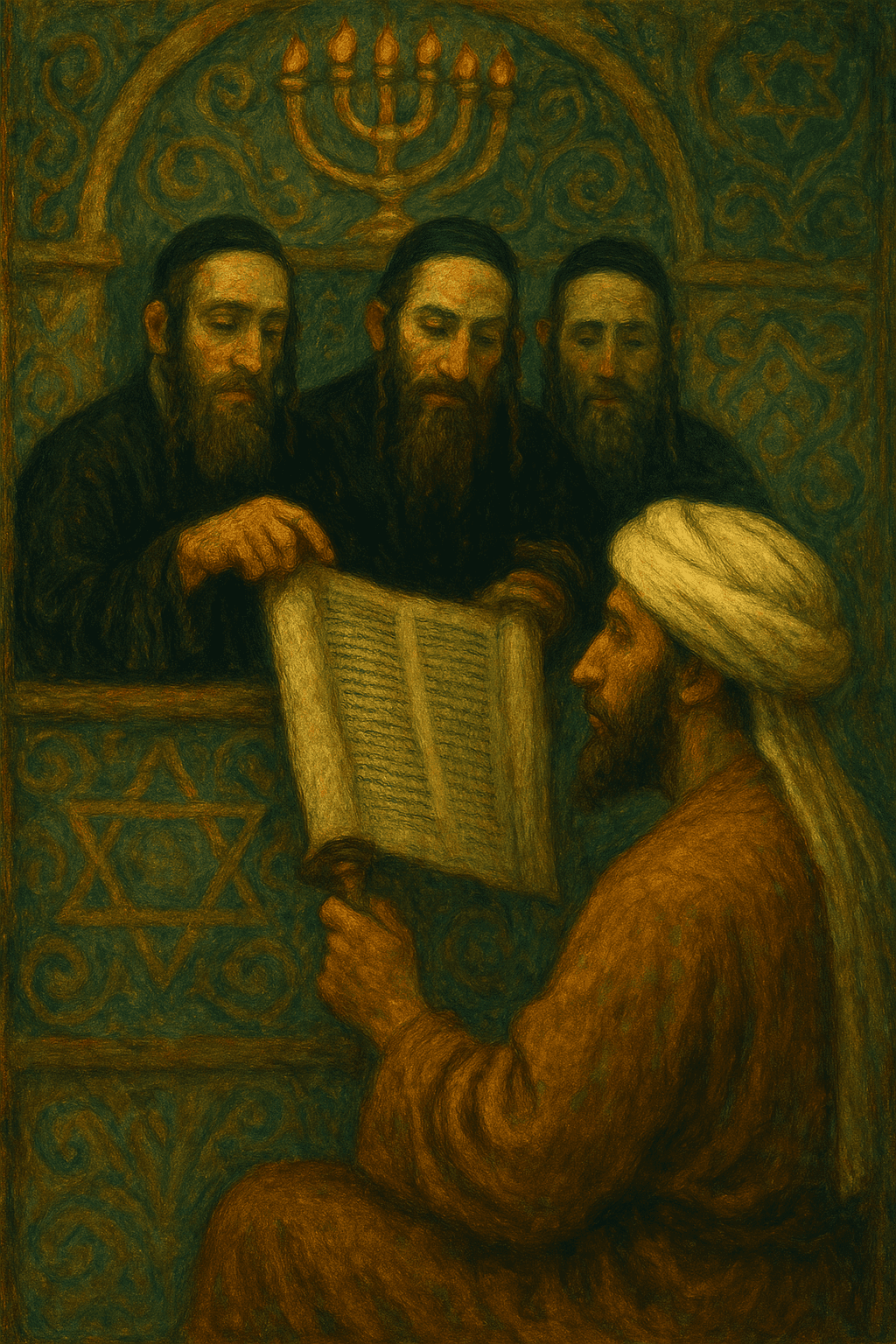
Behind the Curtain of History: A Critical Analysis of Umar ibn al-Khattab’s Relations with Jews and Their Impact on Umar’s Policies
Abstract
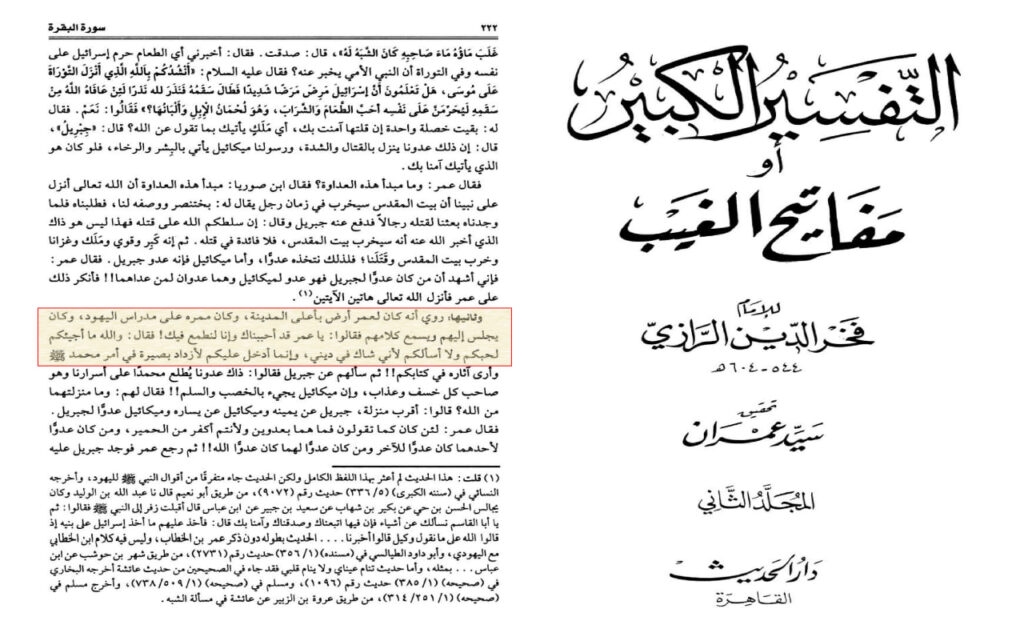
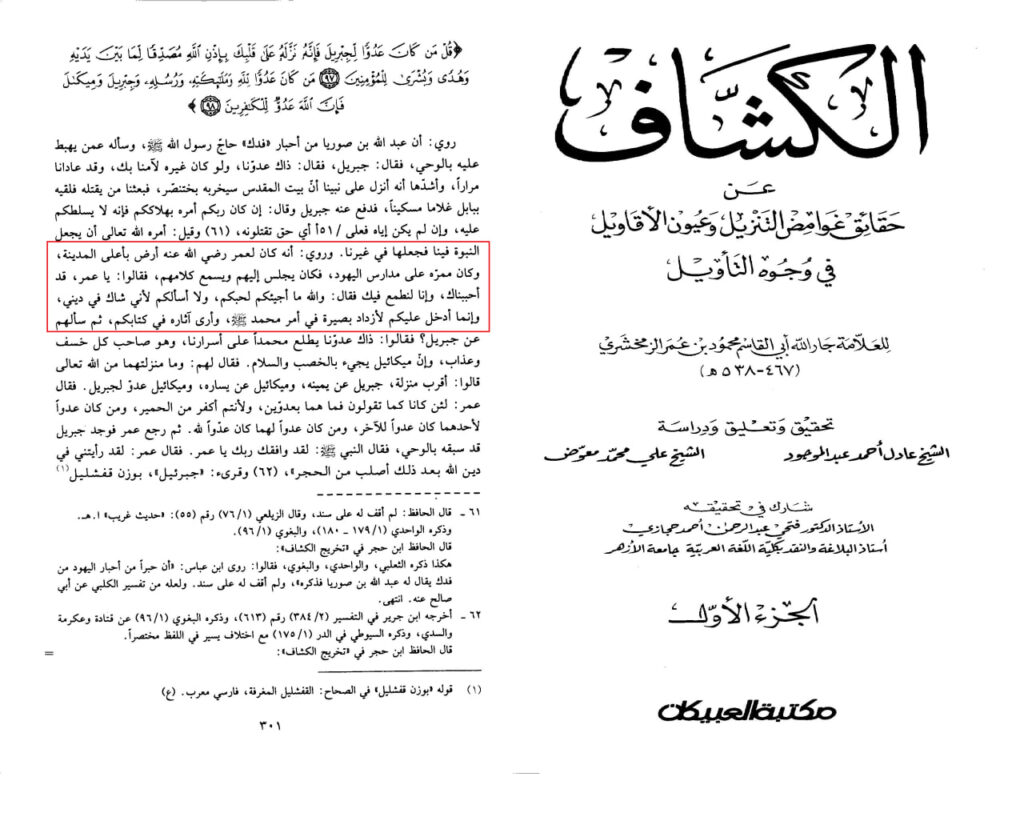
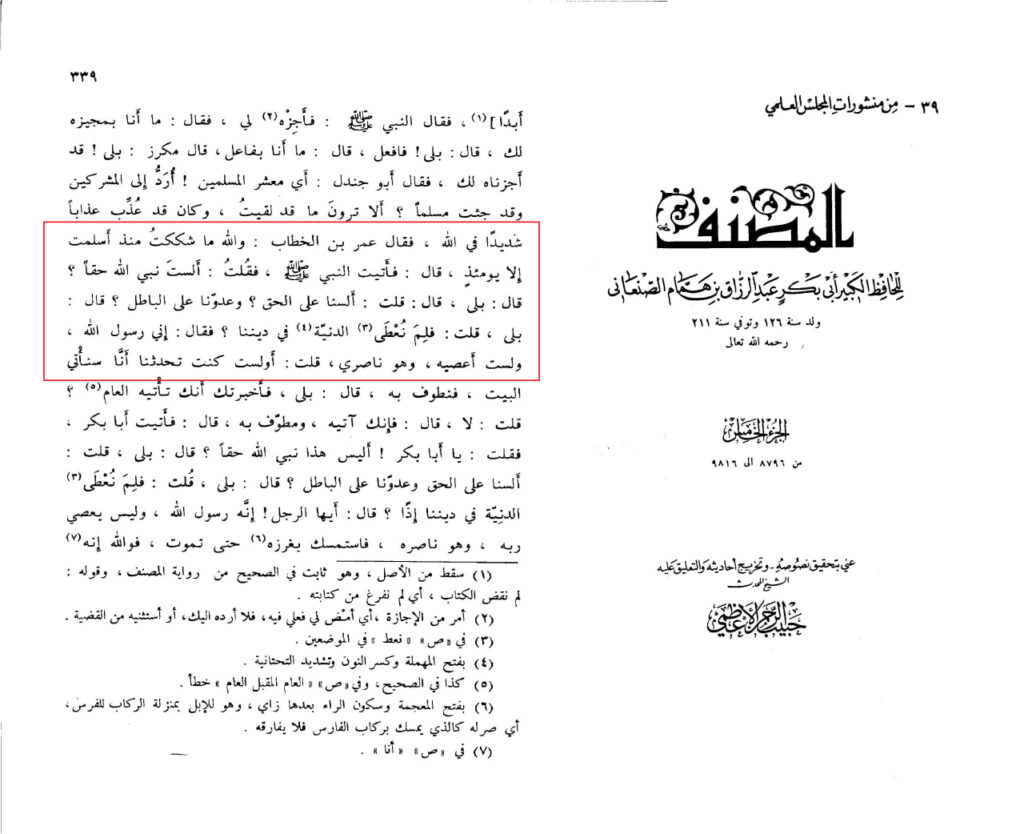
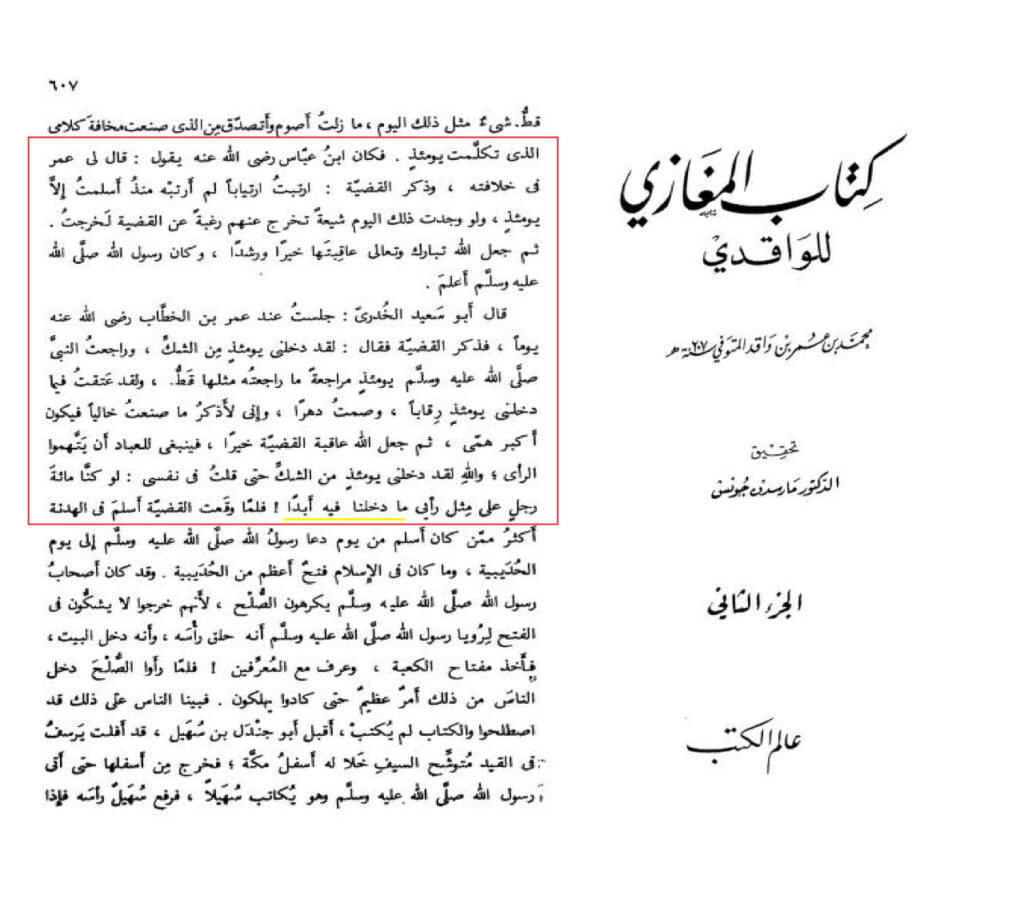
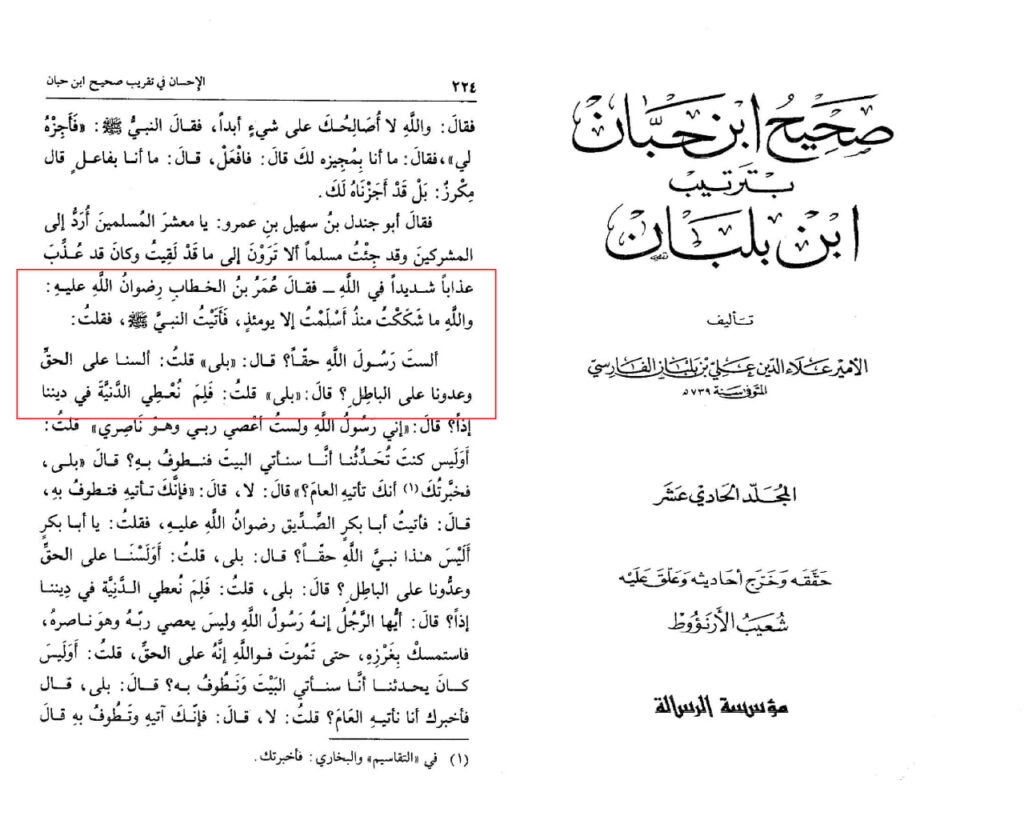
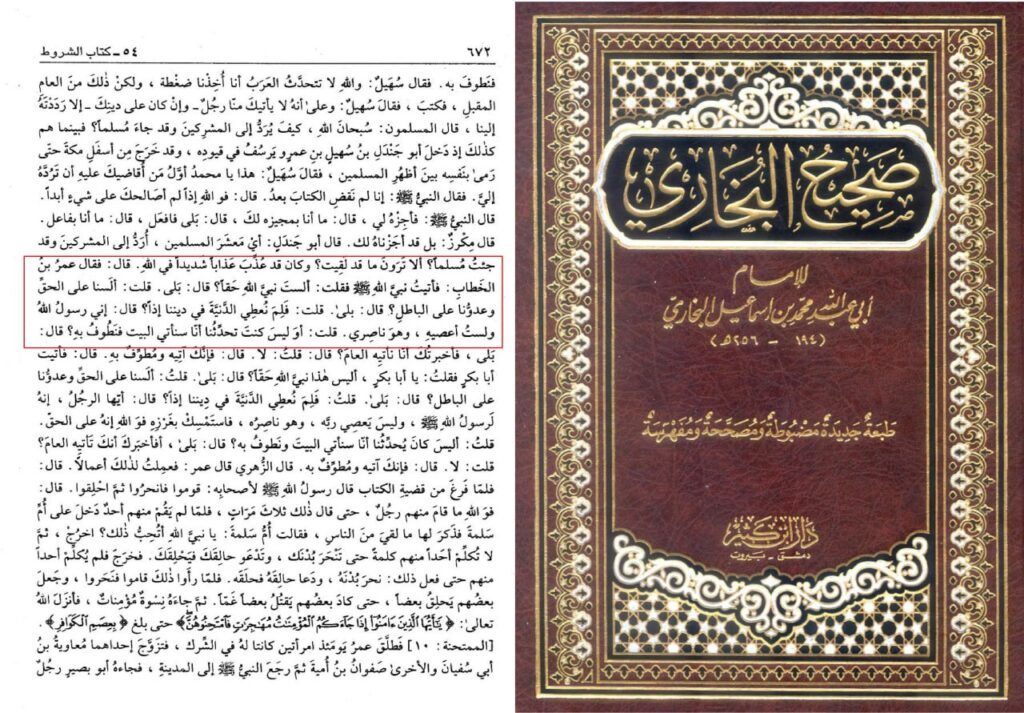
Critical historiography emphasizes that history is not merely a collection of events; rather, it especially recounts how powers are formed and reconstructed within society. In Islamic history, various currents of hypocrisy were continually opposed to the Prophet of Islam, and these confrontations had not only political aspects but also complex religious and spiritual dimensions. One of the most significant groups opposed to Islam was the Jews, who, despite peace treaties established by the Prophet of Islam, engaged in conspiracies and obstruction against Islam and Muslims. Throughout Islamic history, Jewish hostility toward the Prophet became especially intense during the caliphate of Umar ibn al-Khattab, to such an extent that some reports refer to Umar’s close connection with Jews and his frequent presence in Jewish educational centers.
This article analyzes the relations of Umar ibn al-Khattab with Jews during his caliphate. Using the method of critical historiography, the author seeks to examine the dimensions of these interactions and analyze their influence on the religious and social policies of that period. In particular, regarding Umar’s relations with Jewish schools and his efforts to obtain information from Jewish teachings, the article examines the cultural and social consequences of these connections and shows how these relations may have affected Umar’s political and religious decisions. This study demonstrates how some Islamic currents aligned with the principal enemies of Islam during the Prophet’s era and ultimately offers a more precise analysis of how political and religious powers were formed and reconstructed in that period.
Keywords
Critical historiography, hypocrisy, Jews, the Prophet of Islam, Umar ibn al-Khattab, caliphate, political conspiracies, Jewish schools, hostility toward Islam, Islamic history, reconstruction of power, Jewish religious teachings.
Introduction
One of the important principles of critical historiography is that history not only recounts events, but also reveals how powers are constructed and reconstructed. In other words, historical narratives always take shape in order to preserve or transform social, political, and economic powers.
The history of Islam has always witnessed various currents of hypocrisy—currents that carried out different conspiracies throughout the lifetime of the Prophet of Islam. These hypocritical currents benefited greatly from groups and movements outside the religion of Islam, which appears natural, since common political objectives existed between currents of hypocrisy within Islam and groups outside the religion. Although every political government has opposing and rival currents, hypocrisy in Islam was not merely political or a competition for power; religiously as well, it was a complex matter full of contradictions. Hypocritical conduct toward the Prophet of Islam was nothing other than disbelief and denial of religion.
Related articles

Comments
No comments yet.